Rubbish collection for Hounslow High Street shops and traders
Posted on 05/06/2026
Running a shop or trading unit on Hounslow High Street means dealing with the daily rhythm of deliveries, footfall, stock rotation, and, yes, rubbish. Cardboard builds up behind the till. Shrink wrap ends up in the back room. Old display items, broken packaging, and general waste somehow multiply overnight. If you have ever looked at a tidy shop at 8:30 a.m. and then a slightly chaotic one by closing time, you will know exactly what this article is about.
Rubbish collection for Hounslow High Street shops and traders is not just about getting waste out of sight. It is about keeping your premises safe, presentable, compliant, and easy to work in. It also helps protect your reputation. Customers notice clutter. Staff do too. And to be fair, in a busy retail stretch, poor waste handling can become one of those small problems that turns into a daily headache.
This guide breaks down how shop and trader waste collection works, what kinds of waste commonly appear in High Street businesses, how to organise collections properly, and what good practice looks like in the real world. You will also find a comparison table, a practical checklist, an example scenario, and answers to common questions traders ask when they are trying to keep everything moving smoothly.
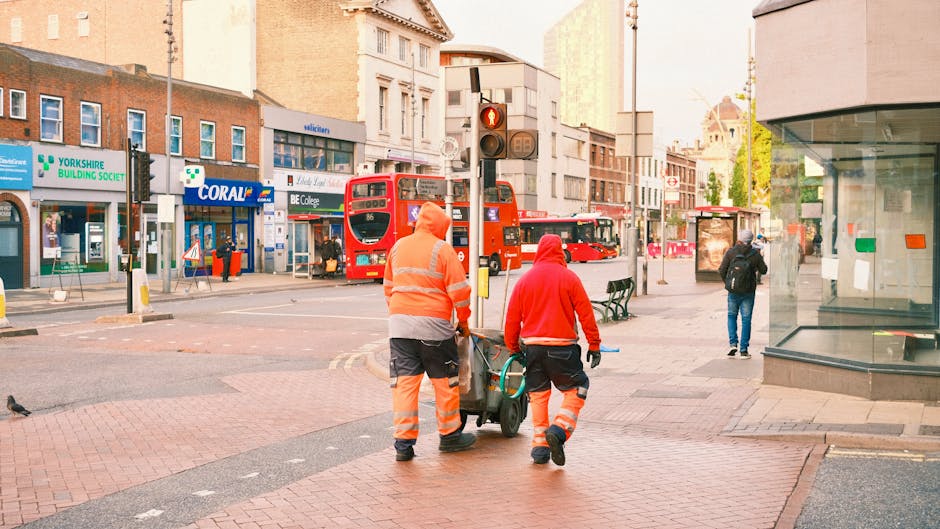
Why Rubbish collection for Hounslow High Street shops and traders Matters
On a high street, waste is visible. That is the first thing to understand. In a warehouse or an office, a missed collection may stay hidden for a while. On a trading parade, it sits in plain sight, sometimes in full view of passers-by, customers, inspectors, delivery drivers, and neighbouring businesses. One overloaded bin or a stack of flattened boxes can make a unit look neglected, even if the shop itself is spotless.
There is also a practical side. Cluttered stockrooms slow staff down. Overflowing bins attract pests. Loose packaging can block emergency exits or make a back corridor awkward to move through. None of that sounds dramatic on its own, but together it can create avoidable friction every single day. The truth is, smooth waste collection helps the whole business breathe a bit easier.
For shops and traders in Hounslow High Street, waste handling often needs to work around opening hours, deliveries, foot traffic, and limited back-of-house space. That makes planning more important than brute force. If collections are timed badly, they interrupt trade. If they are too infrequent, the waste piles up. If they are too casual, staff end up improvising. And improvising with rubbish usually ends badly, or at least messily.
If your business is already juggling tight storage space or periodic clearance needs, it can help to think of waste management alongside wider operational planning. Some traders also look at related support such as office clearance in Hounslow when reorganising back rooms, or the services overview when they want a broader picture of what can be arranged. That kind of joined-up thinking keeps things simpler later on.
Expert summary: good rubbish collection is not a side issue for High Street traders. It directly affects presentation, hygiene, staff efficiency, and the everyday feel of the shop. Get it right, and the whole operation tends to run with less noise around it.
How Rubbish collection for Hounslow High Street shops and traders Works
In practical terms, rubbish collection usually starts with identifying the waste streams your business produces. A cafe, a clothing shop, a small grocer, and a newsagent all produce rubbish, but not the same rubbish and not at the same volume. Once you understand the pattern, you can choose the most suitable collection arrangement.
Typical waste types from High Street shops
- Cardboard and paper: often the biggest volume item, especially after deliveries.
- General commercial waste: mixed non-recyclable waste from day-to-day trading.
- Plastic packaging and wrap: from stock deliveries and display materials.
- Broken fixtures or shop fittings: shelves, signage, display stands, and seasonal decor.
- Old stock or clearance items: unsold goods, damaged packaging, and return items.
- Minor refurbishment waste: paint tins, trim, plaster dust, or light debris from a refresh.
Most traders use a collection model based on regular pickup days, ad hoc removal, or a mix of both. Regular collections suit predictable volumes. Ad hoc collections make more sense when you are clearing stock, changing displays, or dealing with a seasonal rush. A lot of businesses use both, because real life rarely stays tidy enough for one perfect system. Retail does not politely wait for your bin schedule.
Collection arrangements also need to fit the location. High Street access can be tight, especially where vans need to avoid blocking traffic or where there is limited space for safe loading. That is why timing matters. Early mornings, quieter windows, or pre-opening slots are often easier than trying to move bulky waste at peak trade time.
For businesses that generate larger or mixed waste, a broader approach can help. Some shop owners combine collection with general waste collection in Hounslow when they need an all-purpose solution, while others use furniture disposal support when shop fittings, chairs, counters, or display units are being replaced. If your unit is being reworked entirely, builders waste disposal in Hounslow may be the more appropriate route for heavier debris.
Key Benefits and Practical Advantages
There are several strong reasons to treat rubbish collection as part of your business operations rather than a one-off tidy-up task. Some are obvious. Others only become obvious after you have had a few too many busy mornings with nowhere to put the boxes.
1. A better customer impression
Customers tend to read the outside of a shop before they read the signage. If waste is spilling out, they assume the business is understaffed or unorganised. A clean frontage and sensible waste handling send the opposite message: this place is cared for.
2. Safer working conditions
Boxes on the floor, broken packing straps, and overloaded back rooms all create trip hazards. If staff are carrying stock through narrow spaces, the margin for error gets smaller. Regular collection keeps movement clear and reduces the kind of clutter that causes small accidents.
3. More usable storage space
Many High Street shops have limited storage to begin with. If waste accumulates in the same space as stock, you lose room you actually need. Clearing rubbish regularly gives you back a bit of breathing space. That sounds simple, but it can change the feel of a whole unit.
4. Easier compliance and inspection readiness
Even when traders are not thinking about regulations in the moment, tidy waste management helps with general inspection readiness. A shop that keeps waste segregated, stored safely, and removed consistently is easier to manage when someone needs to check behind the scenes.
5. Better staff morale
People work better in a place that feels looked after. Nobody enjoys stepping around old boxes or moving bin bags in a cramped corridor. Cleaner routines usually mean less frustration, fewer awkward tasks, and a better end-of-day close-up.
6. More sustainable handling
Where possible, separating recyclable cardboard, paper, and clean packaging can reduce the amount of waste going to general disposal. Many traders now care about this not only because it is sensible, but because customers increasingly notice it. That is just the way it is now.
Who This Is For and When It Makes Sense
This kind of rubbish collection is relevant to a wide range of businesses, but it is especially useful for traders with regular deliveries, seasonal stock changes, or limited storage. On Hounslow High Street, that can mean everything from independent retailers to cafes, barbers, convenience stores, mobile accessory shops, florists, and small service businesses with a customer-facing frontage.
It also makes sense in specific situations:
- when a shop is changing seasonal displays
- after a stock refresh or clearance sale
- during a refit or light refurbishment
- after a storage room has filled with packaging
- when waste is too bulky for routine bins
- when trading hours make normal disposal awkward
Some traders only need collection now and then. Others need it like clockwork. A florist, for example, may have a lot of green waste and packaging at certain times of year, while a gadget shop may mostly deal with cardboard, protective wrap, and occasional broken fixtures. The key is matching the service to the business rhythm instead of forcing the business to fit the rubbish.
Local knowledge matters too. High streets are not built the same way as industrial estates. You may need to think about access, parking, pedestrian flow, and neighbours. If you are planning around nearby streets or want a broader local reference point, you may also find the TW3 rubbish collection guide for Bath Road and nearby streets and the TW4 rubbish removal options for Syon Lane and surrounding roads useful as practical reading. Different streets, different pressures, same basic need: keep waste under control.
Step-by-Step Guidance
If you are setting up or improving rubbish collection for your shop or trading unit, a structured approach usually works best. Here is a straightforward way to get it sorted without making it more complicated than it needs to be.
- Walk the premises from front to back. Note where waste naturally appears: tills, display floors, back storage, packing areas, staff rooms, and external bins.
- Sort the waste streams. Identify cardboard, general waste, soft plastics, bulky items, and anything that may need separate handling.
- Estimate volume honestly. Not roughly, honestly. A week of "maybe two bags" can quickly become six bags and a pile of boxes. It happens all the time.
- Choose your collection frequency. Daily, weekly, or occasional support depends on turnover, deliveries, and storage space.
- Set a clear storage point. Waste should have one place, not four. Staff need to know exactly where it goes.
- Assign simple responsibilities. Make it clear who breaks down boxes, who moves bags, and who checks the collection area at closing time.
- Keep access routes clear. That includes doorways, corridors, fire exits, and any shared passage space.
- Review after a fortnight or a month. If collections are too frequent, you may be paying for convenience you do not need. Too rare, and the clutter returns fast.
That last step is the one people often skip. Then, of course, they wonder why the waste system feels wrong. A bit of review goes a long way.
Expert Tips for Better Results
A few small habits make rubbish collection much smoother. They are not glamorous, but they matter.
- Flatten cardboard as you go. It takes seconds and saves a surprising amount of space.
- Use lids and bags properly. Open bins invite mess, smells, and the occasional unwanted visitor.
- Keep wet and dry waste apart where possible. Wet cardboard is harder to handle and usually less recyclable.
- Schedule after delivery peaks. If boxes arrive in the morning, collection later in the day can be more efficient.
- Train staff once, then keep it simple. The best system is the one people will actually follow.
- Plan for seasonal surges. Christmas, sales periods, and stock changeovers can generate far more waste than normal.
- Think about back-room flow. If rubbish blocks stock movement, the layout needs adjusting.
One practical observation from shop environments: when the waste area is awkward, people start leaving things "just for now" on the floor. Just for now becomes all day. Then all day becomes a habit. So give people a proper place to put things. It solves more than you would expect.
If you are also reviewing the way your business handles sustainability, the recycling and sustainability guidance is a useful companion topic because it encourages better separation and less avoidable waste. Small changes, repeated consistently, usually beat grand plans that nobody remembers after Tuesday.

Common Mistakes to Avoid
Most rubbish problems in shops are not dramatic. They are ordinary mistakes repeated until they become annoying. The good news is that they are usually easy to fix.
Mixing everything together
If all waste goes into one pile, you lose the chance to recycle clean material and you make removal less efficient. Cardboard gets crushed under broken packaging, and soft items get contaminated. Not ideal.
Leaving collections until the last minute
Waiting until the back room is overflowing creates pressure. Staff start making awkward workarounds, and the collection itself becomes harder to handle. A calm schedule is nearly always better.
Underestimating bulky waste
A couple of old shelves, a damaged chair, or a redundant display unit can take up far more room than expected. Bulky waste needs planning, not optimism.
Ignoring access issues
It is easy to forget that a collection team may need clear access to the unit, especially if waste is stored in a shared rear area. If the path is blocked, the whole process slows down.
Not briefing staff properly
Even the best collection plan fails if no one uses it consistently. A five-minute explanation at the start can save a lot of confusion later.
Using the wrong disposal route for the job
General shop waste, office furniture, and builder's debris are not all handled in the same way. Choosing the right route helps prevent delays and avoids making a simple job much harder than it needs to be.
Tools, Resources and Recommendations
You do not need a complicated system to manage shop waste well. In most cases, the useful tools are the simplest ones.
- Clear labelled bins or sacks: make it obvious what goes where.
- Cardboard cutter or box opener: helps staff flatten packaging safely.
- Storage crates or cages: useful where bulky but lightweight packaging builds up.
- Basic waste log: a simple note of what goes out and when can reveal patterns.
- Closing checklist: a short end-of-day routine keeps waste from drifting into tomorrow.
For businesses that need broader support, a few local pages can help you understand the available routes. The services overview gives a wider view of collection options, while pricing and quotes can help when you are weighing up cost against frequency and convenience. If waste handling is part of a larger shop reset, it may also be worth looking at furniture disposal for the heavier items and about us if you want to understand the company background and approach.
Payment and administration matter too, especially for regular business arrangements. It is sensible to know how invoicing, card payments, or arranged charges are handled before waste starts piling up. The payment and security page and the terms and conditions page are worth checking so there are no awkward surprises later on.
Law, Compliance, Standards, or Best Practice
For traders, waste handling is not only a practical matter. It also sits within the normal expectations of business care, cleanliness, and responsible disposal. Exact duties can vary depending on the waste type and how your business operates, so it is wise to treat compliance carefully rather than casually.
In plain English, good practice usually means:
- storing waste securely so it does not blow about or leak
- keeping access routes clear and safe
- separating recyclable material where practical
- using an appropriate disposal method for the waste involved
- keeping internal routines simple enough for staff to follow
Where waste is mixed with refurbishment or maintenance work, the standards can become more specific. That is one reason traders often prefer a service that can handle different waste streams sensibly rather than pushing everything into the same bin and hoping for the best. Hopes are lovely. Systems are better.
If your shop is going through changes, safety should be considered alongside collection. Loose items, sharp edges, and blocked routes are all worth avoiding. The insurance and safety guidance is relevant here because it reinforces the idea that waste management and site safety go hand in hand, especially when people are lifting, loading, or moving goods in tight spaces.
Options, Methods, or Comparison Table
There is no single best option for every shop. The right method depends on volume, access, waste type, and how often your business changes its stock or layout. Here is a straightforward comparison to help you think it through.
| Option | Best for | Advantages | Limitations |
|---|---|---|---|
| Regular scheduled collection | Shops with steady daily or weekly waste | Predictable, easy to plan around, keeps space clear | Can be excessive if waste volume changes a lot |
| Ad hoc collection | Seasonal traders or occasional clear-outs | Flexible, useful for one-off loads and bulky items | Requires more planning when waste suddenly rises |
| Mixed approach | Busy High Street traders with variable waste | Balances routine with flexibility | Needs a bit of coordination to avoid confusion |
| Refit or clearance support | Shops replacing fittings or clearing stock | Handles larger items and heavier waste better | Usually not the right choice for ordinary daily rubbish |
If your business has a lot of stock turnover or some back-of-house clutter that has built up over time, a mixed approach often works best. Daily waste collection keeps the routine stuff under control, while a separate clearance handles the bigger jobs. Simple, but effective.
Case Study or Real-World Example
Consider a small independent shop on Hounslow High Street selling accessories and seasonal gifts. During the week, it produces mostly cardboard, wrapping, and mixed general waste. The stockroom is narrow, and deliveries arrive in bursts rather than evenly spaced. By Thursday afternoon, the back area can look a bit like a box factory that lost a fight.
At first, the owner tries to manage everything with one bin and a hopeful attitude. That lasts about two weeks. Then the boxes begin to crowd the space where staff need to unpack deliveries, and closing time turns into a shuffle of bags, flattened cartons, and "I'll move that later" moments. Nothing is broken, but everything feels clumsy.
The fix is not complicated. The shop introduces a routine: cardboard flattened on arrival, one designated waste point, a quick daily check before closing, and a planned collection window after the busiest delivery period. Later, when a display refresh replaces some old shelving and signage, a separate clearance is arranged so that the bulky items do not end up mixed with normal waste.
Within a short time, the stockroom feels easier to use. Staff stop stepping around waste, the front of the shop looks cleaner, and the owner spends less time worrying about what is hidden behind the curtain or in the back corner. Nothing magical happened. The system just started matching the business.
Practical Checklist
Use this checklist if you want a simple way to tighten up your rubbish collection routine.
- Have you identified the main waste types your shop produces?
- Is cardboard being flattened before it reaches the storage area?
- Does every staff member know where waste should go?
- Are bins and sacks stored away from customer areas?
- Are fire exits, walkways, and loading access kept clear?
- Do you have a realistic collection frequency for your trading pattern?
- Have you separated bulky items from ordinary waste?
- Is there a plan for seasonal spikes or sale periods?
- Have you reviewed whether any waste can be recycled more effectively?
- Do you know who to contact when the situation changes quickly?
If you can tick most of those boxes, you are in decent shape. If not, no drama. Most shops improve this in stages, not all at once.
Conclusion
Rubbish collection for Hounslow High Street shops and traders works best when it is treated as part of the business rhythm, not an afterthought. The aim is simple: keep the shop safe, presentable, and easy to run. Once waste starts interfering with storage, staff movement, or customer impression, it is time to tighten the system.
The good news is that effective waste handling does not need to be complicated. A clear routine, sensible separation of waste types, and the right collection pattern will solve most problems before they get messy. And if your shop is changing, growing, or clearing out old stock, there are flexible options that can fit around that too.
For busy traders, the best setup is usually the one that feels almost boring in the best possible way. Waste comes out, space stays clear, the shop looks cared for, and nobody has to think about it twice. That is the goal, really.
Get a free quote today and see how much you can save.
When the back room is calm and the frontage looks sharp, the whole day tends to feel lighter. Small win, but a real one.

 Tipper Van - Rubbish Removal and Property Clearance Prices in Hounslow, TW3
 Luton Van - Rubbish Removal and Property Clearance Prices in Hounslow, TW3


