TW3 rubbish collection guide for Bath Road and nearby streets
Posted on 01/05/2026
If you live, work, or run a property around Bath Road in TW3, rubbish has a way of becoming urgent at the least convenient moment. One day it is a broken wardrobe, the next it is a stack of black bags after a clear-out, and suddenly the front path looks a bit of a mess. This TW3 rubbish collection guide for Bath Road and nearby streets is here to make the whole thing easier to understand, especially if you want a tidy, legal, and simple way to deal with household waste, bulky items, garden cuttings, or clearance jobs nearby.
Rather than guessing what can go where, or leaving bags out and hoping for the best, it helps to know the practical options. In our experience, that is what people want most: clear guidance, a realistic plan, and no faff. So below you will find how rubbish collection works in this part of TW3, what to watch out for on local streets, and how to choose the right service for your situation.
For broader service context, you may also find the services overview useful, especially if you are comparing regular collection with one-off clearance or specialist removal.

Why TW3 rubbish collection guide for Bath Road and nearby streets Matters
Bath Road and the surrounding streets in TW3 sit in a busy part of west London, where access, parking, and foot traffic can all affect how waste should be handled. A collection that works well on a quiet cul-de-sac may be awkward on a busier road with limited space at the kerb. That is why local rubbish collection is not just a "put it out and wait" task. It is a small logistics job, really.
When rubbish is managed properly, you reduce complaints, avoid blocked pavements, and keep the property looking cared for. That matters whether you are a homeowner, tenant, landlord, shop owner, or managing a small office. It also matters for neighbours. No one wants bags splitting open in wet weather or old furniture sitting outside for days. Truth be told, the smell can turn a decent street unpleasant very quickly.
This guide is especially useful if you are dealing with:
- regular household waste that is building up faster than expected
- bulky items like sofas, mattresses, and wardrobes
- garden waste after a tidy-up
- builders' debris from a renovation or repair job
- mixed waste from a move-out, tenancy change, or office refresh
If your waste problem is tied to a property clean-up, it can help to read about house clearance in Hounslow as well, because many local collection jobs are really part of a bigger move, declutter, or emptying project.
How TW3 rubbish collection guide for Bath Road and nearby streets Works
At a practical level, rubbish collection in TW3 usually comes down to three things: what you are throwing away, how much of it there is, and how accessible the property is. A small load of bagged household waste is handled very differently from a mixed load with broken furniture, cardboard, and renovation offcuts. The better you classify the waste at the start, the smoother the collection goes.
For Bath Road and nearby streets, access can influence timing and loading. Narrow frontages, shared entrances, basement flats, parking pressures, and one-way streets can all affect how a team collects waste safely. That is why a good collection plan normally starts with a quick assessment rather than assumptions. Nice and boring, maybe, but it works.
A typical collection process looks like this:
- Identify the waste type - household, bulky, garden, office, or builder's waste.
- Estimate the volume - a few bags, a van load, or something larger.
- Check access - parking, stairs, garden gates, alleyways, and loading points.
- Sort items - separate recyclables, reuseable items, and true rubbish where possible.
- Arrange the collection - choose a time that reduces disruption for neighbours and traffic.
- Load safely - keeping heavy items controlled and fragile waste contained.
- Dispose responsibly - prioritising recycling and proper transfer routes where suitable.
For more detail on specific streams, the pages on furniture disposal in Hounslow and garden waste removal in Hounslow are useful because they show how different waste types are usually handled in practice.
Key Benefits and Practical Advantages
The biggest benefit is simple: less hassle. But that phrase hides a lot of value. A well-planned collection saves time, protects the property, and reduces the risk of waste sitting around for too long. On a street like Bath Road, where daily life is already busy, that matters more than people sometimes realise.
Here are the main advantages:
- Cleaner kerb appeal - particularly important for rentals, sale listings, or guest-ready homes.
- Less disruption - quicker removal means less time bins and bags are in the way.
- Better safety - fewer trip hazards, sharp edges, and unstable piles.
- Improved recycling - sorting waste can keep more material out of the general rubbish stream.
- More predictable costs - a planned collection is usually easier to quote for than a last-minute clear-up.
There is also a mental benefit that people often underestimate. A cleared hallway, an emptied garden, or a tidy shop rear yard can make the whole place feel calmer. You notice it at 8 am when the place is quiet and the light is just coming in. Small thing, big difference.
If sustainability matters to you, the recycling and sustainability page is a good companion read. It helps explain why proper sorting and responsible disposal are worth paying attention to.
Who This Is For and When It Makes Sense
This guide is for anyone in or near TW3 who needs rubbish removed without creating a headache for themselves or the street. That might sound obvious, but the reasons vary a lot. Some people are clearing a flat after a move. Others are dealing with commercial waste after a refit. And some just have a stubborn pile of stuff that has been "temporarily" stored in the corner for far too long.
It makes sense for:
- Homeowners who are decluttering, renovating, or replacing furniture
- Tenants who need to clear rubbish before the end of a tenancy
- Landlords and agents preparing a property for new occupants
- Small businesses with office or shop waste that cannot wait for the next normal collection
- Builders and trades who need material removed after a job
- Gardeners and DIYers dealing with soil, cuttings, timber, or mixed debris
If you are dealing with renovation waste, the page on builders waste disposal in Hounslow is especially relevant. For heavier rubble-like material, the debris and brick waste management article is a sensible next step.
A quick rule of thumb: if the waste is too much for a normal bin, too awkward for a family car, or too mixed to leave to chance, it probably needs a proper collection plan.
Step-by-Step Guidance
Here is a practical way to handle rubbish collection around Bath Road and nearby TW3 streets without turning it into a full weekend drama.
1) Walk the waste first
Before you book anything, look at the waste as a whole. What is there? What is reusable? What is broken? What is heavy? People often underestimate the volume until they stand back and look at it from the doorway. Then, oh, right, it is a lot more than it seemed.
2) Separate what can be reused or recycled
Cardboard, clean timber, scrap metal, some garden material, and certain furniture items may be handled differently from general rubbish. Sorting it now can reduce cost and environmental impact later. It also makes loading less messy, which your neighbours will probably appreciate.
3) Check access and timings
Ask yourself a few plain questions: Can a vehicle stop nearby? Is there a side entrance? Are stairs involved? Is there a narrow hallway or shared entrance? A collection can go very smoothly or be slightly awkward depending on these details. Better to be honest early than improvise at the kerb.
4) Choose the right service type
Not every job needs the same approach. A couple of bags may be suitable for a small collection, while a full flat clearance or office clear-out needs more planning. If the job involves multiple item types, use a service that can handle mixed waste responsibly. That avoids awkward surprises on the day.
5) Prepare the waste for collection
Keep walkways clear. Place items where they can be loaded safely. If there are sharp edges, broken glass, or damp waste, make sure they are contained. And if there is anything confidential, secure it separately before collection. Nobody wants papers blowing about like a scene from a very dull spy film.
6) Confirm disposal details
It is sensible to understand where the waste will go and how it will be handled. Reputable operators should be clear about recycling, transfer, and disposal methods. If you need help choosing between collection options, the waste collection Hounslow page offers a broad starting point.
7) Keep the end result tidy
After the collection, check that the area has been swept and that no small debris remains. Tiny screws, splinters, and broken packaging are easy to miss. That little final sweep is worth it.
Expert Tips for Better Results
These are the small things that usually make a big difference.
- Book with the load in mind, not just the number of items. One sofa and a few bags can be more awkward than six neat bags.
- Photograph the waste before booking. It helps with clearer pricing and avoids back-and-forth later.
- Separate wet waste from dry waste. Wet material is heavier and messier, and it can change the way a load needs to be handled.
- Think about neighbours and access times. Early morning might be better than late afternoon on some streets, though that depends on local conditions.
- Use the job as a chance to declutter properly. Once you start, it is easier to clear the dead weight too.
If your waste collection is part of a larger property refresh, it can be useful to look at office clearance services in Hounslow or about us to better understand the kind of support available and the standards behind it.
One small but practical tip: if an item looks recyclable but is dirty, damp, or mixed with other material, ask before assuming. A clean cardboard box is not the same as a soaked one. The difference is annoyingly important, but there it is.
Common Mistakes to Avoid
Most rubbish collection problems start with a handful of avoidable mistakes. Nothing dramatic. Just little oversights that add up.
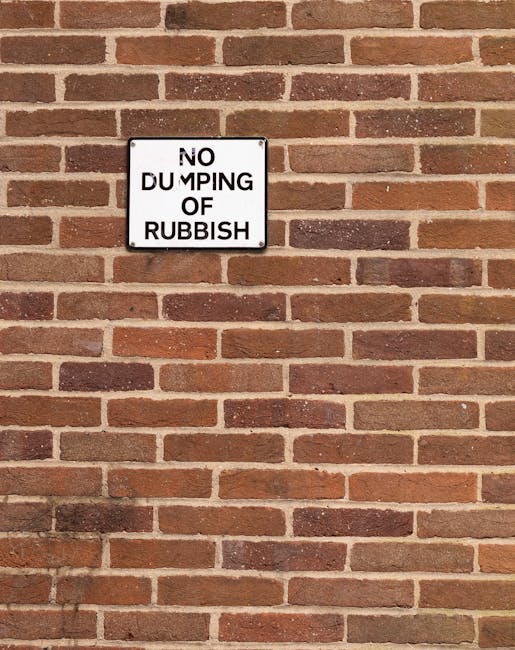
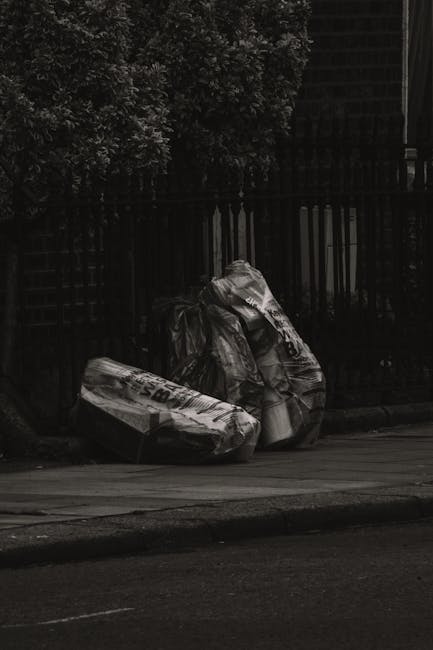
- Leaving waste out too early. On busy roads, that can create obstruction and unwanted attention.
- Mixing hazardous items with general rubbish. Paints, batteries, chemicals, and certain electrical items need separate handling.
- Underestimating weight. Brick, soil, tiles, and wet garden waste can be much heavier than they look.
- Ignoring access limits. A collection vehicle or team may need extra planning for tight streets or shared entrances.
- Forgetting landlord or building rules. Flats and managed properties sometimes have their own waste procedures.
A very common one, to be fair, is waiting until the last minute. That always seems harmless until the rubbish is stacked by the door and you need it gone by tomorrow. Then the stress arrives all at once. Not ideal.
Tools, Resources and Recommendations
You do not need much to manage a rubbish collection well, but a few simple tools help.
- Sturdy sacks or containers for loose rubbish and small items
- Gloves for handling sharp or dirty material safely
- Labels or separate piles for reuse, recycling, and disposal
- Phone camera for photos that help with quoting and planning
- Measuring tape if you need to estimate bulky item dimensions
For people planning a wider cleanup, these pages can be especially helpful:
- Furniture disposal support for sofas, beds, wardrobes, and chairs
- Garden waste removal for hedging, branches, soil, and cuttings
- Pricing and quotes if you want a clearer idea of how jobs are usually costed
- Payment and security for safe, simple checkout expectations
If safety is part of your decision, especially for heavier loads or awkward access, the insurance and safety page is worth a look. It is one of those boring pages that becomes very interesting the moment something slips or scrapes a wall.
Law, Compliance, Standards, or Best Practice
Waste collection in the UK is not just a matter of convenience. There are legal and practical expectations around how waste is stored, moved, and disposed of. You do not need to become a regulations expert, but you do want to make sure waste is handled responsibly.
Good practice usually means:
- keeping waste contained so it does not escape onto pavements or roads
- separating hazardous, electrical, and recyclable items where appropriate
- using a provider that can explain its disposal route clearly
- avoiding fly-tipping and unlicensed dumping routes
- making sure collections do not create danger for pedestrians or vehicles
For property owners and landlords, responsible waste management is also part of keeping a site presentable and reducing nuisance. In a street environment like Bath Road, where people pass by all day, a careless pile-up can become a complaint very fast.
Best practice is usually simpler than people expect: sort it, secure it, remove it promptly, and make sure the disposal route is legitimate. That is the whole game, really.
Options, Methods, or Comparison Table
Different waste problems need different solutions. Here is a straightforward comparison to help you choose the most sensible route.
| Option | Best for | Strengths | Things to watch |
|---|---|---|---|
| Regular council-style bin disposal | Routine household waste | Simple for everyday rubbish, familiar process | Not suitable for bulky items or larger clear-outs |
| One-off rubbish collection | Mixed domestic waste, a few bulky items, short-notice jobs | Quick, flexible, good for awkward amounts | Needs clear item details for accurate planning |
| House clearance | Full or partial property emptying | Useful for moves, probate, tenant changes, or decluttering | Often needs more time and sorting |
| Builders waste removal | Renovation debris, timber, tiles, packaging, rubble | Handles heavier and mixed construction waste better | Some waste types need special handling |
| Furniture disposal | Large household items | Efficient for sofas, beds, tables, and similar pieces | Access and lifting can matter more than volume |
If you are unsure which route fits your situation, start with the simplest question: is this everyday rubbish, or is it a clear-out problem? That answer usually points you in the right direction.
Case Study or Real-World Example
Imagine a two-bedroom flat just off Bath Road. The occupier has moved out, leaving behind a mix of furniture, cardboard, old kitchen bits, and a few bags of general waste. There is a shared entrance, limited parking, and a narrow stairwell. Nothing extreme, but enough to be a bit fiddly.
The sensible approach is not to drag everything outside and hope for a quick fix. Instead, the waste gets grouped into furniture, bagged rubbish, and recyclable cardboard. Heavy items are planned first, because they are the awkward bit. Access is checked before the collection day, so there is no surprise when the vehicle arrives. That alone can save a lot of time.
In a second example, a small office near TW3 is replacing desks and filing cabinets. The old furniture is bulky but not especially hazardous. The team removes confidential papers separately, then books a collection for the furniture and mixed office waste. The outcome is neat, fast, and far less stressful than trying to do it with a borrowed car and three people who would rather be somewhere else. Understandably.
The lesson from both examples is the same: a bit of sorting up front makes the whole job cheaper, safer, and cleaner.
Practical Checklist
Use this before arranging rubbish collection in Bath Road or the nearby TW3 streets.
- Have I identified the waste type clearly?
- Do I know roughly how much needs removing?
- Have I separated recyclable or reusable items?
- Are there any hazardous or restricted items in the pile?
- Is access clear for collection?
- Do I need to notify neighbours, a landlord, or building management?
- Have I taken photos to help with planning or quoting?
- Is there enough room for safe loading?
- Do I know what time the collection should happen?
- Have I checked for any loose debris after the waste is removed?
Quick takeaway: the fewer surprises on the day, the smoother the collection. That is almost always true.
Conclusion
A sensible rubbish collection plan for Bath Road and nearby streets in TW3 is really about making life easier while keeping everything safe, tidy, and compliant. Whether you are clearing a flat, sorting a garden, or removing bulky furniture, a little planning goes a long way. You do not need to overthink it, but you do need to look at the type of waste, the access, and the disposal route before you begin.
If you want a broader view of the service options available, start with the services overview and then move into the specific page that matches your waste type. That usually leads to the cleanest and least stressful result.
Get a free quote today and see how much you can save.
And if all you do after reading this is clear one stubborn corner or sort one awkward pile, that is still a good start. One bag at a time. That is how most tidy jobs begin.
 Tipper Van - Rubbish Removal and Property Clearance Prices in Hounslow, TW3
 Luton Van - Rubbish Removal and Property Clearance Prices in Hounslow, TW3


