Urgent rubbish clearance TW5 Hounslow insider tips
Posted on 31/07/2026
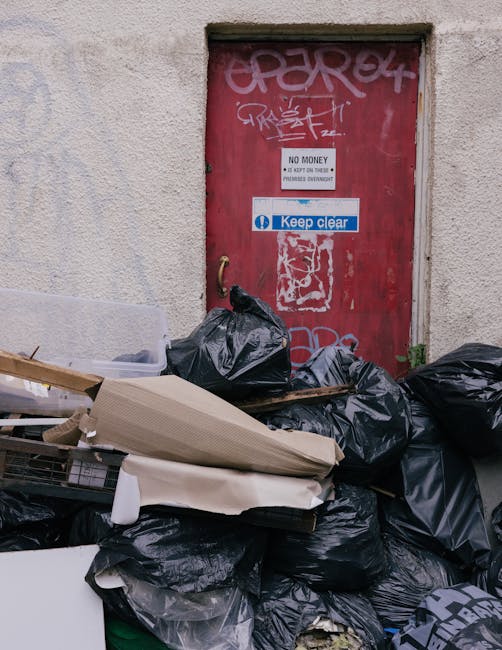
If you need urgent rubbish clearance in TW5 Hounslow, the clock suddenly feels loud. Bags pile up, bulky items block the hallway, a landlord is waiting, or a shopfront needs to look decent before opening time. Been there, and to be fair, it never feels like a small problem once it starts spreading across a room. This guide gives you practical insider tips for getting rubbish moved quickly, without the usual panic, hidden costs, or last-minute confusion.
Below, you'll find a straight-talking breakdown of how urgent collection usually works in TW5, what to prepare before booking, how to avoid common delays, and how to choose the right clearance approach for your situation. I'll also cover local road realities, safety, compliance, and the little things that save time when you really cannot afford to waste it.
For wider local context, you may also find it useful to read about same-day rubbish removal delays in Hounslow and the practical lessons from avoiding hidden rubbish removal charges.
- Why it matters
- How it works
- Key benefits
- Who needs this
- Step-by-step guidance
- Expert tips
- Common mistakes
- Tools, resources and recommendations
- Law, compliance and best practice
- Options and comparison
- Case study
- Practical checklist
- Conclusion
- Frequently asked questions
Why Urgent rubbish clearance TW5 Hounslow insider tips Matters
Urgent rubbish clearance sounds simple on paper: get the waste gone, move on with your day. In real life, it often involves tight access, awkward timing, and a lot of stuff you didn't plan to sort until now. That's exactly why a few insider tips make such a difference. The better prepared you are, the less likely you are to face extra charges, repeated visits, or delays that drag on for hours.
TW5 brings its own quirks. Some roads are easier for quick loading; others can be fiddly if parking is limited, bin stores are cramped, or the rubbish is spread across multiple rooms. If you've ever tried shifting a broken wardrobe down stairs while also answering the door and checking the time, you'll know the feeling. It gets messy fast.
The point of urgent clearance is not just speed. It's controlled speed. You want the removal to happen quickly and neatly, with the right vehicle size, enough labour, and a plan that avoids chaos. That matters whether you are clearing a flat after a tenancy, dealing with builders' leftovers, or just trying to reclaim a living room that has turned into a storage unit by accident.
For anyone comparing service styles, the broader services overview can help you understand how different clearance jobs are usually grouped.
How Urgent rubbish clearance TW5 Hounslow insider tips Works
Most urgent rubbish clearance jobs follow a similar pattern, even if the details vary. First, you describe what needs removing. Then the provider estimates the load, access requirements, and likely labour. After that, a collection window is arranged-sometimes the same day, sometimes next-day, depending on capacity and location. The better the initial description, the smoother the rest of the process.
A good booking usually includes these details:
- Type of waste: general household rubbish, mixed junk, furniture, garden waste, builders' debris, or office items
- Approximate volume: one item, a van load, half a load, or several bulky pieces
- Access issues: stairs, narrow passageways, no lift, limited parking, shared entrance, or loading restrictions
- Timing constraints: end-of-tenancy deadline, commercial opening time, or same-day need
- Any special handling: heavy items, sharp materials, or waste that must be separated
That last point matters more than people expect. A sofa and a few bin bags are one thing. A broken bed frame, damp cardboard, and old paint tins are another. If the collection team arrives and the job is more complicated than described, the whole thing can slow down. Not ideal when you are trying to move quickly.
In local terms, urgent jobs around busier streets or tighter access points often benefit from a very clear loading plan. If you're dealing with a residential estate, the page on rubbish collection for residential estates is a useful reminder that access and timing can shape the whole experience.
Key Benefits and Practical Advantages
The obvious benefit is speed. But there's more to urgent rubbish clearance than simply getting things out of the way.
1. You reclaim space immediately. A cluttered room changes how the whole home feels. Once the rubbish is gone, cleaning, redecoration, or staging for photos becomes much easier.
2. You reduce stress. Urgent waste makes everything feel louder. Every bag becomes a reminder. Once the job is scheduled properly, your head clears a bit. Strange how that works, but it does.
3. You avoid knock-on delays. A clearance delay can hold up a tenancy handover, renovation, office move, or garden project. When one job slips, the next one often slips too.
4. You can control cost more tightly. Clear descriptions and a little preparation reduce the risk of paying for extra labour or an additional trip.
5. You stay safer. Heavy lifting, broken glass, and scattered debris are not worth improvising around. Fast clearance should still be safe clearance.
Expert summary: the fastest rubbish clearance is usually the one you prepare properly, describe honestly, and keep easy to access. Speed is great. Guesswork is not.
If you are comparing rubbish removal against furniture-only disposal, the page on furniture disposal in Hounslow may help you decide what fits your load best.
Who This Is For and When It Makes Sense
Urgent rubbish clearance in TW5 makes sense for a lot of people, but especially in situations where waiting is more expensive than acting now.
- Tenants and landlords who need a property cleared before checkout, re-letting, or cleaning
- Homeowners dealing with post-renovation mess, broken furniture, or a sudden house reset
- Small businesses clearing shop stock, packaging, or office clutter before opening hours
- Builders and tradespeople who need debris off-site before the next stage of work begins
- Families managing an inheritance or house clearance where there is a deadline but not much energy left in the tank
It also makes sense when you simply cannot fit a skip or do the loading yourself. That might be because of parking, permit hassle, awkward access, or the fact that you have neither the time nor the back for it. Fair enough. No heroics required.
If your waste comes from a full property emptying, the wider house clearance service is worth understanding, because urgent clearance and full clearance are not always the same thing.
Step-by-Step Guidance
Here's the cleanest way to handle urgent rubbish clearance without turning it into a scramble.
- Sort the waste into clear groups. Put furniture, general rubbish, recyclables, garden waste, and builders' debris into separate piles if you can. It doesn't need to be perfect, just clear enough to explain.
- Take quick photos. A few well-lit photos help the provider estimate the job properly. A 20-second photo set can save a 20-minute misunderstanding later.
- Measure the bulky items. You do not need a full survey. Just note anything oversized such as wardrobes, sofas, bed bases, desks, or rubble bags.
- Check access and parking. Is there a loading bay? A narrow lane? A set of stairs? A locked gate? Mention it early.
- Decide your deadline. Same-day, next-day, or "as soon as possible" are not the same thing. Be specific if the timing matters.
- Ask what happens on arrival. Will the team confirm the load before lifting, or is the booking already fixed? That distinction helps avoid awkward surprises.
- Prepare the items for fast loading. Move smaller bags near the entrance if safe to do so. Flatten cardboard. Coil loose cables. Put sharp bits somewhere secure.
- Keep pathways open. One of the quickest ways to slow a job down is leaving everything in a cluttered trail from the front door to the waste pile.
One small but useful habit: if the waste is in multiple rooms, mark the piles with a sticky note or a quick text list. Kitchen, loft, garden, shed. It sounds almost too simple, but it helps when the team arrives and everyone is moving quickly.
Expert Tips for Better Results
This is the part most people wish they'd known earlier.
Tip 1: Be honest about volume. Understating the amount of rubbish almost always causes friction. If a pile looks like one load but behaves like two once lifted, the booking can unravel. Overestimate slightly if you are unsure.
Tip 2: Separate "rubbish" from "stuff you still might need." In urgent jobs, confusion comes from hesitation. Keep a small "maybe" box away from the clearance area so nothing useful disappears in the rush. We've all had that moment of regret with a charger, haven't we?
Tip 3: Prioritise the awkward items first. Anything heavy, sharp, wet, or hard to carry should be pointed out immediately. The team can plan the lifting order better and avoid bottlenecks.
Tip 4: Keep recyclables visible. Cardboard, metal, and some furniture parts may be easier to handle when they are not tangled together with general waste. For sustainability-minded readers, the page on recycling and sustainability is a helpful companion.
Tip 5: Choose timing carefully. If you know your street gets tight at school-run time, delivery time, or the afternoon rush, book around that. Five minutes of timing awareness can save half an hour of frustration.
Tip 6: Don't wait until the last item is found. If the property is almost ready, book as soon as the main waste is visible. People often delay because they want "one more sort-out." That extra sort-out has a funny habit of becoming tomorrow's problem.
Tip 7: Keep payment and confirmation simple. For urgent work, a straightforward confirmation process matters. You may want to review the payment and security information before you book, especially if you are arranging things quickly on a phone between tasks.

Common Mistakes to Avoid
Most clearance delays come from a handful of preventable mistakes. They are boring mistakes, honestly, but they cost time.
- Waiting too long to book. If you need same-day service, do not assume every slot is open. Demand can fill up surprisingly fast.
- Leaving access problems unmentioned. Steps, locked gates, narrow roads, parking restrictions, and basement access all matter. Mention them up front.
- Mixing everything together. Builders' rubble, furniture, and household waste may all look like "junk," but they are not always handled the same way.
- Forgetting about hazardous items. Paints, chemicals, batteries, or anything suspect should be identified early. Don't tuck them into a bag and hope for the best.
- Assuming all urgent jobs cost the same. They don't. Timing, weight, labour, and access all affect price.
- Not checking service scope. A team that handles general waste may not be the right fit for larger builders' material. If your job is renovation-heavy, the builders' waste disposal page is more relevant.
A common one in TW5 is underestimating narrow access. Hounslow roads can be lively, and if a vehicle cannot get close enough, the load-out slows. That is one reason the article on bulky rubbish collection on narrow Hounslow roads is worth a look if your property is awkward to reach.
Tools, Resources and Recommendations
You do not need fancy equipment for urgent rubbish clearance, but a few simple tools make the job cleaner and quicker.
- Strong bin bags or rubble sacks for sorting smaller waste
- Marker pen or tape to label items that should stay or go
- Basic gloves for moving sharp or dirty items safely
- Tape measure for bulky furniture and narrow access points
- Phone camera to document the load before booking
- Flashlight for lofts, sheds, cupboards, or the back of garages
For recommendations, a sensible approach is to start with the type of waste, not the speed claim. A service that understands your exact load is usually better than one that just promises to "be there soon." Speed without fit can create another round of hassle. Nobody wants that at 6:40 in the evening when the hallway is still full.
If you want to compare broader service choices, the main waste collection Hounslow page can give you a useful starting point for understanding standard collection options before you book urgently.
And if your job includes office furniture or a work move, the office clearance page is a better fit than a general household clearance route.
Law, Compliance, Standards, or Best Practice
For urgent rubbish clearance, compliance usually comes down to common-sense best practice and responsible handling. In the UK, you should always be cautious about where waste goes, who is handling it, and whether the service seems properly organised. If something feels vague or rushed in the wrong way, pause. A fast job should still look professional.
Practical best practice includes:
- Only using a provider that can explain how waste is handled
- Keeping hazardous or unusual materials separate and clearly identified
- Avoiding fly-tipping risk by never handing waste to an unknown operator
- Making sure the collection is documented clearly enough for your own records
- Checking any terms that affect access, waiting time, or extra loading
If you are booking for a business premises, compliance matters even more because the waste trail can affect your premises management, customer impression, and internal records. For general reassurance on how a provider presents its standards, you may want to review about us, the terms and conditions, and insurance and safety.
That may sound a little formal for a rubbish job, but it matters. Particularly when time is tight, trust becomes part of the service.
Options, Methods, or Comparison Table
Not every urgent clearance needs the same solution. Here's a simple comparison to help you choose the right method more quickly.
| Option | Best for | Strengths | Possible drawback |
|---|---|---|---|
| Same-day rubbish clearance | Deadlines, last-minute mess, fast turnover | Quick, convenient, minimal disruption | Can be subject to availability and access limits |
| Next-day collection | Jobs that are urgent but not instant | More time to sort and prepare | May not suit handover deadlines |
| Furniture-only disposal | Sofas, beds, wardrobes, desks | Simple for bulky household items | Not ideal if mixed waste is included |
| House clearance | Full or partial property emptying | Useful for larger resets and estate situations | Can be more involved than a simple collection |
| Builders' waste disposal | Renovation debris, brick fragments, site waste | Suited to heavier and messier material | Needs clearer sorting and description |
For renovation-related debris, the article on debris and brick waste management is especially useful. It helps make sense of the difference between light clear-outs and heavier construction waste.
Case Study or Real-World Example
A fairly typical TW5 scenario goes like this: a family is clearing a property after a weekend of decorating. There are old curtains, a broken chest of drawers, cardboard packaging, a couple of worn chairs, and a pile of mixed rubbish from the hallway and spare room. Nothing dramatic, just enough to make the house feel unfinished.
They first sort the items into three groups: furniture, general rubbish, and cardboard. Then they take a few photos, check the front access, and note that parking is easiest early morning. The booking is arranged for a tighter window because the property needs to look presentable by the afternoon.
What made the difference wasn't luck. It was preparation. The clear description meant the team arrived knowing what to expect. The room access was open. Smaller waste bags were already gathered near the entrance. As a result, the job moved quickly and without the usual "hang on, this is more than we thought" moment.
Another small win: they had already separated one old sofa for direct furniture disposal and kept the rest of the mixed rubbish together. That split saved time and made the work much smoother. Nothing magical. Just good sorting.
If the waste had come from a rented flat turnover, a guide like rubbish removal options for TW4 and surrounding roads would have helped them think through access and route timing too.
Practical Checklist
Use this before you book urgent rubbish clearance in TW5:
- Identify the main type of waste
- Estimate the amount as honestly as you can
- Separate furniture, general rubbish, and builders' debris if possible
- Take clear photos in daylight or bright indoor light
- Measure anything bulky or awkward
- Note stairs, lifts, gates, and parking restrictions
- Check whether any items are hazardous or need special handling
- Decide your exact timing need: same-day, next-day, or flexible
- Clear a safe path to the waste
- Keep essential items well away from the collection area
- Review payment and booking details before confirming
- Have a backup plan if access turns out to be tighter than expected
It's a simple checklist, but it covers the usual pain points. And that is often enough.
If you are still comparing service types, the broader services overview and the local recycling and sustainability page are both useful for thinking through the most practical route.
Conclusion
Urgent rubbish clearance in TW5 Hounslow does not have to be stressful, but it does reward preparation. The main insider tip is simple: describe the job clearly, make access easy, and choose the right type of clearance for the waste you actually have. That is what saves time, reduces friction, and helps the whole job feel less frantic.
Whether you are clearing one room, dealing with a full property, or shifting leftover materials after a project, the fastest route is usually the calmest one. A little sorting now beats a lot of scrambling later. Truth be told, that's the difference between a smooth same-day collection and a day that keeps tripping over itself.
Get a free quote today and see how much you can save.
 Tipper Van - Rubbish Removal and Property Clearance Prices in Hounslow, TW3
 Luton Van - Rubbish Removal and Property Clearance Prices in Hounslow, TW3


