Hounslow recycling and reuse tips for household rubbish
Posted on 18/08/2026

If your kitchen cupboard is full of takeout tubs, the hallway has a broken chair waiting for a decision, and the recycling caddy is looking a bit sorry for itself, you are not alone. Most homes in Hounslow generate more reusable and recyclable rubbish than people realise, and the tricky part is usually not the amount - it is knowing what to keep, what to recycle, what to repair, and what should be cleared away responsibly. This guide to Hounslow recycling and reuse tips for household rubbish is built to make that easier. You will find practical steps, simple sorting habits, local-minded advice, and a few common-sense shortcuts that save time, space, and a fair bit of frustration.
Let's face it: rubbish builds up quietly. One old lamp becomes three boxes in the spare room. A few jam jars become a drawer full of "useful" containers. A sofa that has clearly seen better days sits there because nobody wants the hassle. The good news is that a surprising amount of household waste can be reused, donated, repaired, or recycled if you approach it in a sensible order. That is exactly what this article covers.
Why Hounslow recycling and reuse tips for household rubbish Matters
Recycling and reuse are not just "nice to have" habits. For households in Hounslow, they are a practical way to reduce clutter, avoid unnecessary disposal costs, and make better use of items that still have value. A lot of household rubbish is not rubbish in the strict sense. It is often furniture, textiles, packaging, electricals, books, kitchenware, or garden items that could serve another person or be processed into something useful again.
That matters because household waste is rarely a neat category. You may have clean cardboard from an appliance delivery, old bedding from a bedroom refresh, a broken toaster, and a garden trug full of snapped plant pots - all in one weekend. If you treat everything as general rubbish, you lose the chance to separate out reusable or recyclable items. A better routine makes the whole job less overwhelming.
There is also a local reality to consider. In busy London homes, storage is limited, pavements are narrow in places, and bulky waste can become a nuisance very quickly. If you live on a road where carrying bags out is already awkward, or you are clearing a flat after a long tenancy, the value of a simple sorting plan becomes obvious. A bit of structure makes the difference between a stressful pile-up and a clean, manageable clear-out.
Practical takeaway: the best recycling and reuse system is the one you can keep doing every week, not the one that sounds impressive for two days and then collapses under a shopping bag of mixed waste.
For more context on how sustainable waste handling fits into the wider local picture, it can help to read about recycling and sustainability in Hounslow alongside your household routine. It keeps the focus on habits, not just disposal.
How Hounslow recycling and reuse tips for household rubbish Works
At its simplest, household waste management works best in layers. First, decide whether an item can be reused. If not, see whether it can be repaired. If neither is realistic, check whether it belongs in recycling. Only after those options are ruled out should it be treated as residual rubbish for disposal.
This order matters. People often start at the wrong end by throwing everything into one bag and hoping someone else will sort it later. Sometimes they do, sometimes they do not, and sometimes the result is contamination that makes the whole lot less useful. A greasy pizza box can spoil clean cardboard. A half-full bottle can make a recycling load messy. A wire coat hanger mixed with soft plastics can create confusion. Small things, but they add up.
For household rubbish, a good working system usually includes:
- Reuse first: pass on items that still function, even if they are not perfect.
- Repair second: fix furniture, electrical items, toys, and tools where sensible.
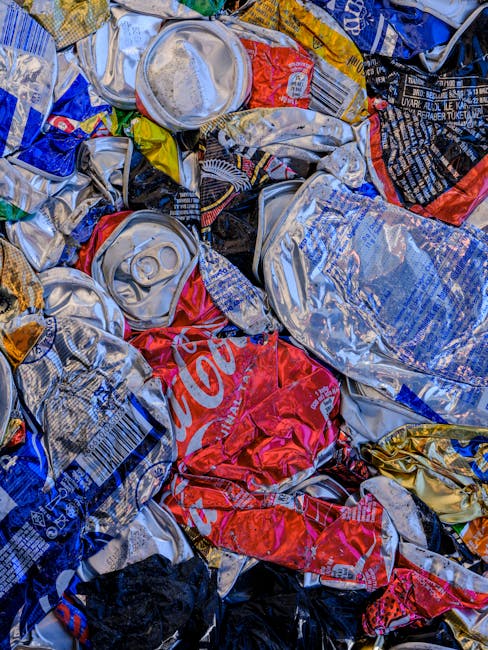
- Recycle third: separate paper, cardboard, glass, metal, rigid plastics, and suitable green waste where applicable.
- Dispose last: only what cannot reasonably be reused or recycled should go into general waste.
That hierarchy is simple, but it is powerful. You can use it for a loft clear-out, a spring tidy, or the sort of "we'll deal with it later" pile that seems to multiply in a utility room. One small habit I recommend is placing a "maybe reusable" box near the front door. If something gets put there twice and nobody claims it, it probably needs a new home or a proper route out.
If you are dealing with larger items or a mixed household clear-out, services designed for house clearance in Hounslow can be useful when you want a more structured, room-by-room removal plan. That is especially true when the job is too big for ordinary bins and bags, which happens more often than people like to admit.
Key Benefits and Practical Advantages
The obvious benefit is less waste. But there are several other wins that matter just as much in real life.
1. More space at home
Old household rubbish takes up physical and mental space. A cupboard full of spare lids, a stack of unused boxes, and a "temporary" pile of broken homewares all make a room feel tighter. Once you sort and remove them, the room breathes again. Strange how quickly that can change the feel of a home.
2. Better value from items you already own
Reuse keeps useful things in circulation. A chair that only needs tightening, a lamp that works fine after a new bulb, or a saucepan with a missing lid may still be genuinely useful to somebody else. You do not always need a brand-new replacement. Sometimes you just need a better system.
3. Lower disposal pressure
If you can reuse or recycle part of what you own, your general rubbish load shrinks. That can make collection simpler, and in some cases cheaper, because you are not paying to throw away items that had another life left in them.
4. Less contamination and fewer mistakes
Once the household gets used to sorting properly, there is less guesswork. People stop putting everything "mixed together just for now", which is usually where problems start. A clear system is calmer for everyone involved.
5. A more responsible household routine
Truth be told, most people want to do the right thing but need a process that fits everyday life. A practical recycling and reuse routine makes responsible disposal easier, not harder. That is the sweet spot.
Some homes also find that a regular sort-and-clear habit reduces the need for emergency collection later on. If you have ever tried to deal with a pile of heavy bags on a rainy Thursday evening, you will know why that matters. Not glamorous. Very real.
Who This Is For and When It Makes Sense
This approach is useful for almost anyone, but a few households especially benefit from it.
- Busy families: toys, packaging, clothes, school items, and kitchen waste can pile up quickly.
- Flat-sharers: shared spaces often produce mixed rubbish and forgotten items in cupboards or hallways.
- People moving home: moving day is a perfect time to sort what is worth taking, donating, recycling, or disposing of.
- Landlords and tenants: end-of-tenancy clear-outs often uncover furniture, bedding, and miscellaneous household waste.
- Downsizers: if you are moving to a smaller place, reuse and recycling decisions become especially important.
- Anyone doing a seasonal clear-out: spring cleans and pre-winter tidy-ups usually expose more "maybe later" items than you expect.
It also makes sense when a room is becoming hard to use properly. A spare bedroom that is turning into storage, a garage with no floor space left, or a kitchen where the recycling bag overflows every few days are all signs that a simple sorting system would help.
If your household clear-out includes larger furniture, damaged seating, or a few bulky items that are not easy to move, furniture disposal in Hounslow may be the right route for items that cannot reasonably be reused. For smaller mixed loads, a general waste collection service in Hounslow can help when you need a more straightforward removal option.
Step-by-Step Guidance
If you want a system that actually works, do it in stages. Do not start by emptying every drawer at once. That is how you end up with five piles, a headache, and a late takeaway.
Step 1: Sort by category, not by room
Gather similar items together: paper and card, glass, textiles, electronics, furniture, garden waste, and general rubbish. This helps you see patterns. You may discover you have far more reusable boxes than you thought, or a surprising number of still-serviceable household items.
Step 2: Separate reusable items first
Ask three simple questions:
- Is it still safe to use?
- Would someone else want it in this condition?
- Can it be cleaned, repaired, or repurposed quickly?
If the answer is yes to one or more of those, set it aside for reuse. A clean basket, book, lamp, side table, or storage box can often be passed on instead of binned.
Step 3: Clean recyclables before you bag them
Recycling works better when items are reasonably clean and dry. You do not need to scrub everything like it is going into a display cabinet, but remove food residue, empty liquid containers, and flatten cardboard where possible. Simple, but it saves trouble later.
Step 4: Flag anything hazardous or specialist
Some household items need special care, such as batteries, electrical appliances, paint, cleaning chemicals, sharp metal objects, or broken glass. Keep those separate from ordinary rubbish. Do not mix them into general bags and hope for the best.
Step 5: Decide the disposal route
At this stage, each pile should have a destination: reuse, recycling, repair, donation, or disposal. If an item is bulky, awkward, or too many trips for your household to manage safely, organise a suitable collection rather than improvising. That avoids damage to lifts, hallways, and your lower back.
Step 6: Build a repeatable weekly habit
Place clearly labelled containers where waste is actually generated. Kitchen, bathroom, utility space, and home office areas all benefit from their own small sorting setup. Once the routine becomes automatic, it takes very little effort. And yes, it does feel oddly satisfying when the right bag goes out at the right time.
Expert Tips for Better Results
These are the small things that make a big difference. Nothing fancy. Just the sort of details that keep your system from going off the rails.
- Keep a "reuse" box in a visible spot. If it stays hidden in a cupboard, you will forget it exists. Out of sight, out of mind - every time.
- Do a quick pre-sort before bin day. Ten minutes on the floor with a box cutter, some string, and a bin bag can tidy an entire week's mess.
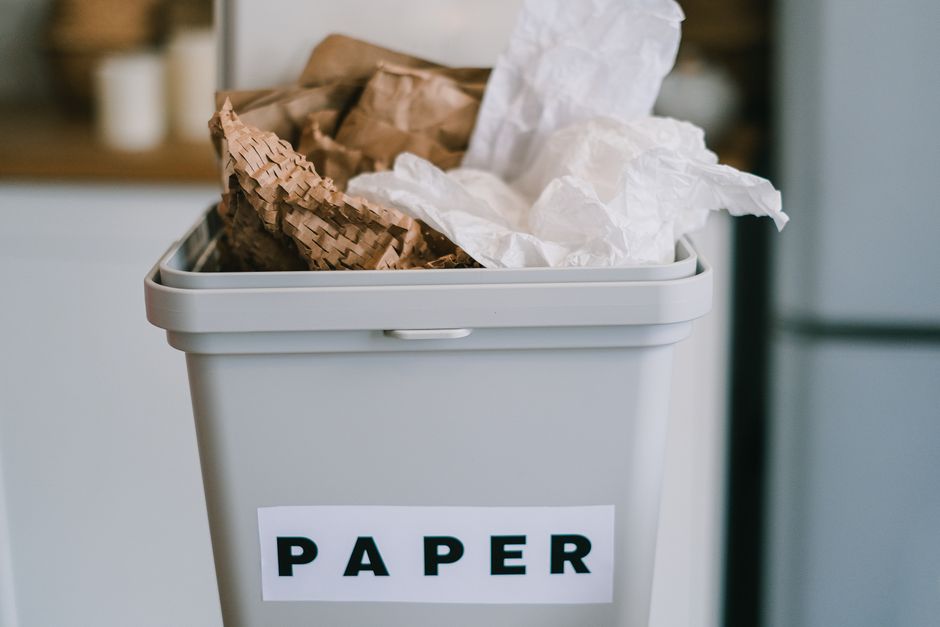
- Use one bag for donations, one for recycling, one for disposal. Mixing them up later is where the muddle starts.
- Break down bulky packaging early. A few flattened boxes are much easier to store than a tower of awkward cardboard.
- Think in household cycles. Weekly food waste, monthly textile clear-outs, and seasonal furniture checks are easier to manage than one giant purge.
- Don't save broken items "just in case" forever. Be honest. If you have not fixed it in six months, it may be time to let it go.
Another useful trick is to make the process visible to everyone in the house. If one person knows the system and everyone else just guesses, the bins will eventually become a mystery. Clear labels help. So does a simple "what goes where" note on the inside of a cupboard door. Slightly nerdy, yes. Very effective, also yes.
For homes where waste builds up during a wider clear-out, you may also find house clearance support helpful as part of a bigger decluttering plan, especially when you want to separate keeps, donations, and removals in one clean sweep.
Common Mistakes to Avoid
Most recycling and reuse problems come from a handful of very ordinary mistakes. The good news is they are easy to fix once you notice them.
Putting everything into one "mixed waste" pile
This is the classic one. It feels efficient for about five minutes and then creates more work later. A single mixed pile can hide recyclables, contaminate reusable items, and make the whole clear-out more stressful.
Keeping damaged items longer than necessary
People often keep broken furniture, faulty appliances, and cracked storage containers because they think they might repair them eventually. Maybe. But clutter has a way of disguising itself as potential.
Recycling dirty or food-filled packaging
It is one of the easiest mistakes to make after a big meal or a delivery day. Greasy or messy packaging can ruin otherwise recyclable material. A quick rinse or wipe is usually enough.
Ignoring bulky items until the last minute
A sofa, mattress, or heavy wardrobe cannot be handled like a kitchen bag. If you leave bulky pieces to the end, you may run into access problems, lifting issues, or delays. Plan ahead.
Forgetting about textiles and small reuse opportunities
Old towels, bedsheets, curtains, and similar household textiles are often overlooked. They may not be glamorous, but they can still be passed on, repurposed, or collected through the right route.
Overcomplicating the system
One of the biggest traps is making the process so detailed that no one sticks to it. You do not need a spreadsheet for every item in the house. Keep it simple enough to use on a tired Tuesday evening.
Tools, Resources and Recommendations
You do not need expensive equipment to manage household rubbish well, but a few basic tools make life much easier.
- Three labelled containers or bags: one each for reuse, recycling, and disposal.
- Strong gloves: useful for sharp packaging, garden waste, and old storage items.
- Marker labels: very handy for shared homes where sorting can get, well, a bit creative.
- Reusable crates or boxes: ideal for books, kitchenware, and items going to donation.
- A tape measure: helpful for checking whether a bulky item will fit through a hall, doorway, or lift before you start wrestling with it.
- Basic cleaning cloths: for wiping down items that are being passed on or recycled cleanly.
On the recommendation side, the best approach is to start with whatever is easiest to keep consistent. If your household prefers bag-based sorting, use bags. If boxes are more practical, use boxes. The system should fit your home, not the other way around.
For more information about how waste services are organised and what support is available, the services overview page is a useful place to understand the broader options before deciding what your household needs.
Law, Compliance, Standards and Best Practice
When you are dealing with household rubbish, it is sensible to follow accepted UK waste-handling best practice and to stay within local rules for disposal and recycling. I'll keep this careful: council requirements, accepted materials, and collection arrangements can change, so always check the current local guidance before putting out items for collection or arranging a clear-out.
As a general rule, households should avoid leaving waste in shared areas, blocking pavements, or placing items out in ways that create hazards. That matters especially in terraced streets, flats, and busier residential roads. Safe handling is not just about tidiness - it is about access and responsibility too.
It also helps to use reputable waste carriers for anything that cannot go through ordinary household collection. A responsible provider should be clear about what they take, how they handle loads, and what happens to reusable or recyclable materials. If pricing is unclear, ask questions before agreeing to anything. Hidden extras are never fun, and they tend to appear at the worst possible moment.
For households concerned about practical handling and safety during collection, the page on insurance and safety is relevant because waste removal should always be done with proper care. If you are comparing costs or checking what is included, pricing and quotes can help you understand the normal process before booking.
And if you are dealing with building debris, hard rubble, or mixed renovation waste rather than ordinary household rubbish, it is better to use specialist guidance. For example, the article on debris and brick waste management is more suitable for that type of material than general household advice.
Options, Methods, or Comparison Table
Choosing between reuse, recycling, and disposal often depends on the item itself and how quickly you need it gone. This simple table can help.
| Option | Best for | Pros | Limits |
|---|---|---|---|
| Reuse | Items that still work or can be used again | Reduces waste, preserves value, often the most sustainable choice | Not suitable for broken, unsafe, or heavily worn items |
| Repair | Furniture, small appliances, tools, and home items with minor faults | Can extend life and save money | Only worth it if repair cost and effort are reasonable |
| Recycling | Clean materials such as card, glass, metal, and suitable plastics | Useful for material recovery and waste reduction | Contamination can make recycling less effective |
| Donation | Good-quality clothing, books, homewares, and some furniture | Helps others and keeps items in use | Needs acceptable condition and safe handling |
| Disposal | Broken, unsafe, contaminated, or non-recoverable rubbish | Clears space and removes unwanted items | Should be the last resort after other options are checked |
If you live in an area with limited access, narrow roads, or awkward parking, disposal planning matters even more. In practical terms, that can mean choosing a service that understands local collection challenges rather than trying to move everything in one frantic run. For road-specific concerns, the guides on bulky rubbish on narrow Hounslow roads and same-day rubbish removal delays in Hounslow are especially relevant.
Case Study or Real-World Example
A typical Hounslow household clear-out might look like this. A family decides to reclaim the spare room before the school term starts. The room contains old books, a damaged office chair, two boxes of children's clothes, some Christmas decorations, packaging from flat-pack furniture, and a bedside table that has gone a bit wobbly.
Instead of piling everything into black bags, they split the items into five groups. The books and one sturdy lamp are set aside for reuse. The children's clothes are checked, washed, and sorted for donation. The packaging is flattened and separated for recycling. The chair is examined and ruled out for repair because the base is cracked. The bedside table is repaired with new screws and moved back into use. Simple, really - but it changes the whole room.
What is interesting is not the items themselves; it is the order of decisions. By checking reuse first, the family keeps useful things in circulation and reduces what needs to be removed. That means less waste, less lifting, and far less frustration on collection day. A small system, but a big result.
In homes where the clear-out is larger, like after a move or when a property is being refurbished, the same principle applies. First sort, then separate, then remove. If the items are too bulky or the volume becomes a bit too much to handle comfortably, a structured approach such as waste collection in Hounslow can be the sensible final step.
Practical Checklist
Use this checklist before your next household tidy-up or clear-out.
- Have I separated reusable items from general rubbish?
- Have I checked whether anything can be repaired quickly and safely?
- Are my recyclables clean, dry, and sorted properly?
- Have I set aside any batteries, electrical items, sharp objects, or other specialist waste?
- Do I know which items are too bulky to move alone?
- Have I avoided mixing donation items with waste bags?
- Is there a labelled place for reuse, recycling, and disposal in the home?
- Have I flattened boxes and reduced packaging volume where possible?
- Am I clear on the collection or disposal route for each pile?
- Have I checked whether the load needs a professional clearance option rather than DIY handling?
A quick checklist like this sounds plain, but it saves time. It also stops the common "I'll just deal with it later" habit that causes half the clutter in the first place.
Conclusion
Good household recycling and reuse is not about perfection. It is about making better decisions, one item at a time. If you can reuse first, recycle properly, and dispose of the rest safely, you will already be ahead of most messy clear-out routines. That means less waste, fewer bin-day headaches, and a home that feels easier to live in.
The main thing to remember is this: keep the system simple enough that it works on busy weeks, not just on good intentions. A small weekly habit beats a heroic annual clear-out every time. And when you do need extra help, there is no shame in choosing a straightforward, practical route that gets the job done properly.
Get a free quote today and see how much you can save.
With the right approach, household rubbish becomes much less of a chore and much more of a manageable routine. A tidy home is nice, but a calm one is better.
 Tipper Van - Rubbish Removal and Property Clearance Prices in Hounslow, TW3
 Luton Van - Rubbish Removal and Property Clearance Prices in Hounslow, TW3


