Bulky rubbish collection problems on narrow Hounslow roads
Posted on 29/06/2026
Bulky Rubbish Collection Problems on Narrow Hounslow Roads
Narrow streets change everything. If you have ever tried to get a sofa, mattress, wardrobe, or builders' waste out of a tight Hounslow road, you will know the feeling: one parked car in the wrong place, a blind corner, a low-hanging tree, and suddenly a simple collection becomes a bit of a juggling act. Bulky rubbish collection problems on narrow Hounslow roads are not just an inconvenience; they affect safety, timing, access, neighbour relations, and sometimes the total cost of getting the job done properly.
This guide breaks down what makes these collections difficult, how a sensible collection should work, and what you can do to avoid the usual headaches. Whether you are clearing a flat near a busy stretch, dealing with an overflowing house move, or planning ahead for a renovation, the right approach saves time and a lot of unnecessary stress. Truth be told, a little planning goes a long way on roads where every metre matters.
If you want a wider view of how waste services fit into local needs, it can also help to look at the broader services overview and the company's approach to recycling and sustainability.
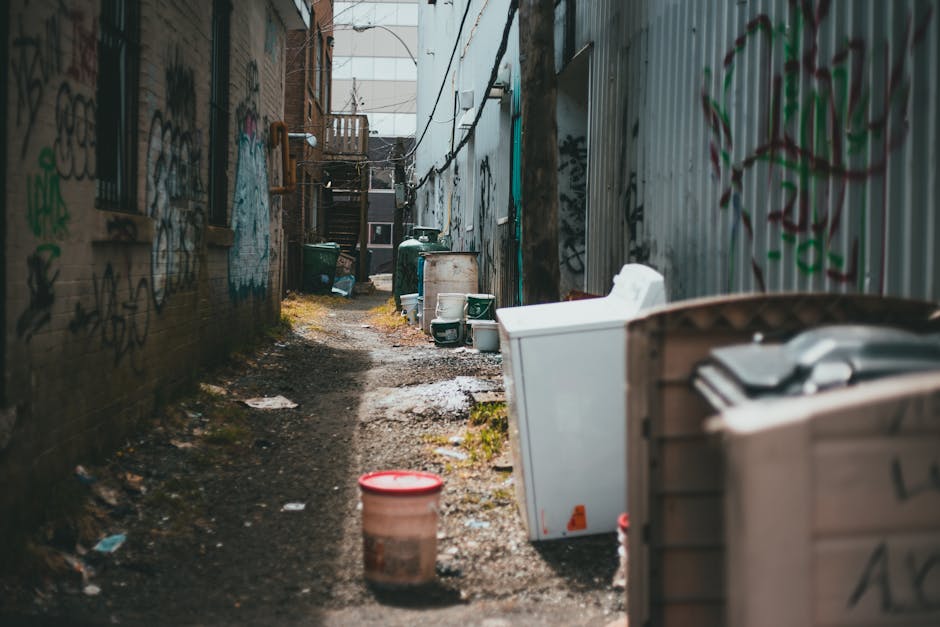
Why Bulky Rubbish Collection Problems on Narrow Hounslow Roads Matters
Narrow roads do not just make collections slower. They change the whole risk profile of the job. A bulky item can block a pavement, force a vehicle to reverse awkwardly, or require loaders to carry heavy items further than expected. In Hounslow, where you may have terraced streets, mixed residential roads, and stretches with heavy parking pressure, that can turn a straightforward uplift into something that needs proper coordination.
Why does this matter so much? Because bulky waste is awkward by nature. It is often heavy, bulky in the literal sense, and awkwardly shaped. A cracked wardrobe panel can catch on railings; a fridge can be too wide for a narrow gangway; bags of renovation debris can tear on uneven paving. Add time pressure, neighbours leaving for work, or a busier route nearby, and the problems stack up quickly.
There is also the human side. Nobody wants mattresses left out for too long, a half-blocked road first thing in the morning, or an argument with a neighbour because the access path has been temporarily taken over. On tight roads, courtesy matters. So does timing. Even a collection that seems minor on paper can create a ripple effect if it is not handled with care.
For people living in busier parts of the borough, local context matters too. If you are weighing up how a street feels to live on day to day, the discussion in Hounslow as a home: local opinions gives useful background on everyday living in the area. And for those moving into or investing in property, the practicalities of access and waste handling are worth thinking about alongside the insights in steps to buy property in Hounslow and Hounslow realty-wise buying strategies.
Expert summary: narrow-road collections succeed when access, timing, lifting method, and vehicle choice are planned together. Miss one of those, and the whole job becomes harder than it needs to be.
How Bulky Rubbish Collection on Narrow Hounslow Roads Works
In practice, a good bulky waste collection on a narrow road starts long before the truck arrives. Someone needs to assess access, confirm the type and volume of waste, and decide whether the load can be taken from the front of the property, a rear lane, a shared driveway, or only from a curbside point.
That sounds obvious, but it is where many problems begin. A collection team may arrive expecting street-level access, only to find the item is on a top floor, behind a locked gate, or wedged into a narrow hall. On Hounslow's tighter roads, any mismatch between expectation and reality can waste time fast. And time, as we all know, is the bit nobody wants to pay for unnecessarily.
Typically, the process works like this:
- The customer describes the items, access points, and any parking or loading issues.
- The collection provider decides whether a smaller vehicle, a two-person team, or a more manual carry-out approach is needed.
- The booking is scheduled for a time when the road is likely to be easier to work on, such as avoiding school-run peaks or heavy commuter traffic where possible.
- Items are removed carefully, sorted if needed, and loaded in a way that keeps the pavement and carriageway clear.
- Waste is then handled according to its type, with reusable or recyclable items separated where possible.
The best services do not treat narrow-road access as an afterthought. They build it into the job from the start. That may sound like a small detail, but it is often the difference between a smooth collection and a frustrating one.
For certain property types, the issue is even more pronounced. Flats with stairwells, converted houses, and older terraces can make bulky removal awkward before the vehicle is even in sight. If the items are linked to a home clearance or a furniture disposal job, planning becomes even more important. You can see how those broader services fit together via house clearance Hounslow and furniture disposal Hounslow.
Key Benefits and Practical Advantages
When bulky rubbish is handled properly on narrow roads, the benefits are bigger than most people expect. It is not only about getting rid of clutter. It is about reducing friction in a place where space is already limited.
- Less disruption: good planning keeps pavements, driveways, and carriageways usable.
- Safer lifting: fewer rushed movements mean less risk of injury or damage.
- Better neighbour relations: a tidy, fast collection usually causes fewer complaints.
- Faster completion: the right vehicle and access plan reduce delays.
- Cleaner outcomes: waste is removed in one go, rather than being left in piles.
- More efficient recycling: sorted loads are often easier to process responsibly.
There is also a practical financial benefit. If a team has to make multiple attempts because access was not described properly, the job can become more expensive. Clear access notes, a photo or two, and an honest description of the items can save money. No drama, just common sense.
This matters especially for households and small businesses managing recurring collections. If you are dealing with stockroom clear-outs, office replacements, or refurbishment waste, it may be worth looking at broader options like office clearance Hounslow or the general waste collection Hounslow service approach.
Who This Is For and When It Makes Sense
This topic matters to a wide mix of people. It is not only for landlords or builders. In fact, some of the most awkward bulky waste jobs come from ordinary households with ordinary timing pressures.
You may need this kind of collection if you are:
- moving out of a flat or terraced house on a narrow road
- replacing bulky furniture after a renovation
- clearing an inherited property
- dealing with a loft, garage, or shed full of old items
- running a shop or small office near a tight street
- handling builders' waste after a modest refurbishment
- trying to remove garden waste or broken outdoor furniture from a back access path
Some scenarios are especially prone to issues. A basement flat with narrow steps. A road where both sides are packed with parked cars. A property with a rear alley that only fits wheelbarrows, not large items. A late-afternoon collection during peak traffic. You can almost hear the frustration before it starts.
If the waste includes broken masonry, soil, rubble, or mixed renovation debris, the problem becomes more physical as well. For those cases, the practical guidance in debris and brick waste management is particularly relevant. And for trades or home improvers, builders waste disposal Hounslow is the more fitting route.
Step-by-Step Guidance
If you want a smoother collection on a narrow Hounslow road, here is the process we would recommend in real life, not just in theory.
1. Identify exactly what needs to go
Make a list. Not a vague one. Write down the item types, rough sizes, and whether anything is especially heavy, sharp, or awkward. A bed frame is not the same as a divan base; a single wardrobe is not the same as a flat-pack pile. Details help.
2. Check the access route from start to finish
Walk the route the items will actually take. Front door, hallway, stairwell, front path, gate, kerb, vehicle. If there is a tight corner, a step, or a shared entrance, note it. This is where people often underestimate the job. The item may fit through the door, but can it turn? Can two people carry it without bumping walls? That is the real question.
3. Time the collection with the road in mind
A narrow road at 8:15am feels very different from the same road at midday. School traffic, delivery vans, and commuter parking all affect access. If you can choose a calmer window, do it. Even half an hour can make a difference.
4. Separate reusable, recyclable, and general waste
This speeds things up and supports responsible handling. If you are removing a mix of wood, metal, fabric, and electrical items, pre-sorting helps the collection team work more efficiently.
5. Move loose items to a safe holding point
Where possible, place bags or smaller items close to the exit, but not where they create a trip hazard. Keep the doorway clear. It sounds basic, but on a narrow frontage, a tidy staging area is worth gold.
6. Confirm parking and loading arrangements
If loading can only happen from the street, make sure the collection provider knows. If there is a permit concern, a waiting restriction, or a very limited loading bay, say so up front. Surprises are expensive. Usually.
7. Be present, or nominate someone sensible
Someone needs to answer questions on the day, especially if access changes. A neighbour leaves their car in the way, a gate is locked, or an item turns out to be heavier than expected. A quick decision keeps the job moving.
Expert Tips for Better Results
A few small decisions can save a lot of trouble. Here are the tips that tend to matter most on narrow roads in Hounslow.
- Use photos when booking: a picture of the access point and the items is often more useful than a long explanation.
- Be honest about volume: underestimating how much waste you have is the quickest way to create a mismatch.
- Allow a buffer: roads, parking, and weather can all slow a collection down. A bit of extra time helps.
- Protect shared spaces: in terraces or conversions, be careful with hallways, banisters, and door frames.
- Keep fragile waste separate: mirrors, glass, and breakables should not be mixed loosely with heavy items.
- Think about lift capacity: if the item needs to be carried upstairs, the labour is part of the job, not an add-on surprise.
One small but very real tip: if a bulky item is too awkward to move in one piece, do not force it. Dismantling furniture safely can be the difference between a tidy clearance and a chipped wall, a strained back, and a very bad mood. Nobody needs that before lunch.
For seasonal clear-outs, garden jobs, or a pile-up after a long wet spell, using the right service matters too. Garden waste removal Hounslow can be a better fit for outdoor debris, while heavier mixed loads may sit better with a broader collection plan.

Common Mistakes to Avoid
Most problems on narrow roads are preventable. They usually come from one of these mistakes.
- Leaving access until the last minute: if the road is tight, access is not a detail.
- Guessing item dimensions: "about the size of a wardrobe" is not always enough.
- Ignoring parking pressure: a street may look fine at 10am and impossible by 3pm.
- Not checking stairwells and corridors: internal access can be harder than street access.
- Mixing waste types carelessly: this can slow sorting and create extra handling.
- Booking too late in the day: once the road is congested, everything takes longer.
Another common mistake is assuming every bulky item will be treated the same. A sofa, a broken fridge, and a sack of rubble each have different handling needs. If the job includes waste streams that require extra care, it is better to flag that early. If you are trying to avoid unexpected add-ons, the article on avoiding hidden rubbish removal charges in Hounslow is worth a look.
Tools, Resources and Recommendations
You do not need fancy equipment to prepare well, but a few practical tools help a lot.
- Measuring tape: useful for checking doorways, stair turns, and item widths.
- Phone camera: take clear photos of items and access points before booking.
- Strong gloves: handy for moving small items or clearing a route safely.
- Marker pens and labels: useful if you are sorting items to keep, recycle, or remove.
- Blanket or edge protection: helpful for protecting walls and furniture edges during carry-outs.
It also helps to understand the type of service you need before making a call. A full house clearance is different from a single-item furniture pickup, and a builders' waste job is different again. If you are comparing options, start with the general approach in services overview and then narrow down to the most relevant page for your waste type.
For businesses and landlords, a localised approach may work best. Some roads and properties are just trickier than others. That is why guides such as the TW3 rubbish collection guide for Bath Road and nearby streets, rubbish removal options for TW4 Syon Lane and surrounding roads, rubbish collection for Hounslow High Street shops and traders, and Lampton Park rubbish collection services for residential estates can help you think more locally about access and timing.
Law, Compliance, Standards and Best Practice
For bulky waste, the main thing is to make sure waste is handled responsibly and by people who know what they are doing. You do not need to become a regulations expert overnight, but you should expect a proper collection to respect basic safety, lawful disposal, and sensible handling practices.
In everyday terms, that means avoiding fly-tipping, preventing unsafe obstruction of the highway, and making sure items are moved in a way that does not endanger the public or the workers. It also means being careful with special materials, electrical items, and anything that could be classed as hazardous or require separate treatment.
Best practice in the UK context usually means:
- clear description of the waste before collection
- safe loading without blocking access longer than necessary
- reasonable protection for walls, floors, and shared areas
- responsible sorting and disposal after collection
- transparent communication about what is and is not included
Insurance matters too. If a collection involves tight staircases, heavy lifting, or awkward external access, it is reassuring to know the provider takes safety seriously. You can read more about that general approach through insurance and safety.
And if you are comparing providers, the detail in the company pages about us, terms and conditions, payment and security, and privacy policy can help set expectations. No one wants surprises when they are already dealing with a crowded street and a pile of old furniture.
Options, Methods and Comparison Table
There is more than one way to handle bulky rubbish on a narrow road. The best choice depends on volume, access, urgency, and item type. Here is a simple comparison to help.
| Method | Best for | Strengths | Limitations |
|---|---|---|---|
| Kerbside bulky collection | Items that can be moved to the front of the property safely | Simple, quick, often efficient | Can be difficult if parking is tight or the items are very heavy |
| Carry-out collection from inside | Flats, upstairs rooms, awkward hallways | More convenient for the customer | Requires careful route planning and more labour |
| Dedicated furniture disposal | Sofas, beds, wardrobes, mixed home furnishings | Good for awkward, bulky household pieces | May not suit mixed renovation waste |
| House clearance | Whole rooms, probate clear-outs, large domestic jobs | Useful when there is a lot to remove at once | Needs fuller planning and clearer access notes |
| Builders' waste collection | Rubble, timber, offcuts, renovation debris | Better for trade-style waste streams | Heavy loads may need separate handling |
To be fair, there is no single perfect method. A narrow road with good front access may suit kerbside loading, while a basement flat with a tight stairwell may need a more hands-on carry-out approach. The point is to match the method to the street, not the other way round.
Case Study or Real-World Example
Picture a typical Hounslow scenario. A family in a terraced house is moving out after years of accumulated furniture, old toys, and a few broken items from the loft. The road is narrow, cars are parked tightly on both sides, and there is no easy place to leave items the night before. They also have a mattress, a wardrobe, and a couple of awkward bags of mixed rubbish from the garden shed.
At first glance, it looks messy. But with a better plan, it becomes manageable. The family measures the larger items, clears the front hallway, and sends photos of the access route. They book a time when the road is less busy. They separate recyclable items, keep the kerbside space clear, and make sure someone is on hand when the team arrives.
The result? The collection is completed without blocking the road for long, the items are removed in a single visit, and the family avoids the stress of dragging furniture out at the last possible moment. Nothing magical. Just good coordination.
That same approach works for smaller businesses too. A trader on a busier stretch might have old shelving, packaging waste, and damaged display furniture to remove. The principle is the same: know your access, know your load, and do not assume the road will "sort itself out." It rarely does.
Practical Checklist
Use this checklist before booking or on the morning of collection.
- Have I listed every item that needs removing?
- Do I know which items are especially heavy, fragile, or awkward?
- Have I checked the route from the property to the street?
- Have I measured tight doorways, stair turns, or gate widths?
- Is there likely to be parking pressure at the planned time?
- Have I separated items that could be reused or recycled?
- Are there any loose items that could create a trip hazard?
- Have I told the collection team about stairs, basements, or rear access?
- Do I need help with furniture, garden waste, or builders' debris?
- Is someone available to answer access questions on the day?
If you can tick most of those boxes, you are already ahead of the game. Seriously, most collection problems start before anyone picks anything up.
Conclusion
Bulky rubbish collection on narrow Hounslow roads is less about brute force and more about planning, timing, and respect for the street you are working on. The tighter the road, the more important the small details become: access routes, parking, item size, lifting method, and how quickly the waste can be moved out and handled properly.
When all of that is thought through in advance, the job gets easier for everyone. The customer feels calmer, the collection is safer, and the street stays usable. That is the real win. Not flashy, not complicated. Just a clean, sensible outcome.
If you are facing a tricky clearance and want the process handled with less fuss, the next step is simple: share as much detail as you can and choose the collection approach that fits your road, your property, and your waste type.
Get a free quote today and see how much you can save.
Sometimes the best part of a clear-out is the quiet afterwards: the space, the light, the feeling that the street has stopped being an obstacle and started being your street again.
 Tipper Van - Rubbish Removal and Property Clearance Prices in Hounslow, TW3
 Luton Van - Rubbish Removal and Property Clearance Prices in Hounslow, TW3


